AI assistants do not answer out of nowhere. Many answers rely on pages that they cite as a source. Sometimes one of them is a competitor's page. Your own page on the same subject is cited less often or not at all.
The RankScan measure “A competitor page is cited instead of yours” in the AI Visibility describes whether and how visible a brand, website or person is in AI-generated answers. It measures mention, position, description and source linking across multiple platforms and prompts.Open glossary entry → category reports this case. It requires no contact with the competitor. The cited page shows you which questions AI wants answered for your topic. You answer these questions on your own page.
Take the competitor's questions, not its text.
- RankScan records the pages that AI answers about your topics cite.
- “A competitor page is cited instead of yours” means: a competitor page is cited in AI answers about a topic, your page of the topic less often.
- Rating in RankScan: medium severity · medium effort · work type Editorial.
- You do not contact competitors. You answer their questions on your own page, with your own details.
- If the topic has no page yet, you first look for an existing page and only then create a new one.
- Third-party pages that do not name your brand are covered by a separate measure: “Relevant sources without your brand”.
- How RankScan checks it: Mark the measure as done. RankScan keeps counting how often AI answers cite your page. If it is cited at least as often as the competitor page, RankScan reports “Fixed”.
What Are AI Citations? #
An AI citation is a source that an AI assistant names in its answer, usually as a link. RankScan asks the assistants the prompts of your topics and records which pages they cite.
RankScan gives this reason for the measure: “AI answers cite pages that answer a question completely. The cited page shows which questions AI wants answered for this topic.” This reason is an assumption.
There is no guarantee. Whether an assistant cites a page is up to the assistant. The article on mentions in AI answers explains how RankScan measures mentions and citations in AI answers.
Which Measure Applies to Which Page? #
For a cited page, what counts is who owns it:
| Who owns the cited page? | Measure | What you do |
|---|---|---|
| A competitor | “A competitor page is cited instead of yours” | Expand your own page |
| A third-party website, not a competitor | “Relevant sources without your brand” | Win a mention on this page |
| You | none |
A competitor is a domain that you have added as an active competitor in RankScan. In addition, brands that RankScan recognises as providers in AI answers count too. Neither measure covers home pages, large platforms, media or authorities. The list “Relevant sources without your brand” leaves out competitor pages. The article on relevant sources without your brand explains how you work through third-party pages in order.
What Does “A competitor page is cited instead of yours” Mean? #
The RankScan measure “A competitor page is cited instead of yours” means: a competitor page is cited in at least three AI answers about a topic. Your own page of the topic is cited less often. RankScan names both numbers.
Rating in RankScan: medium severity · medium effort · work type Editorial.
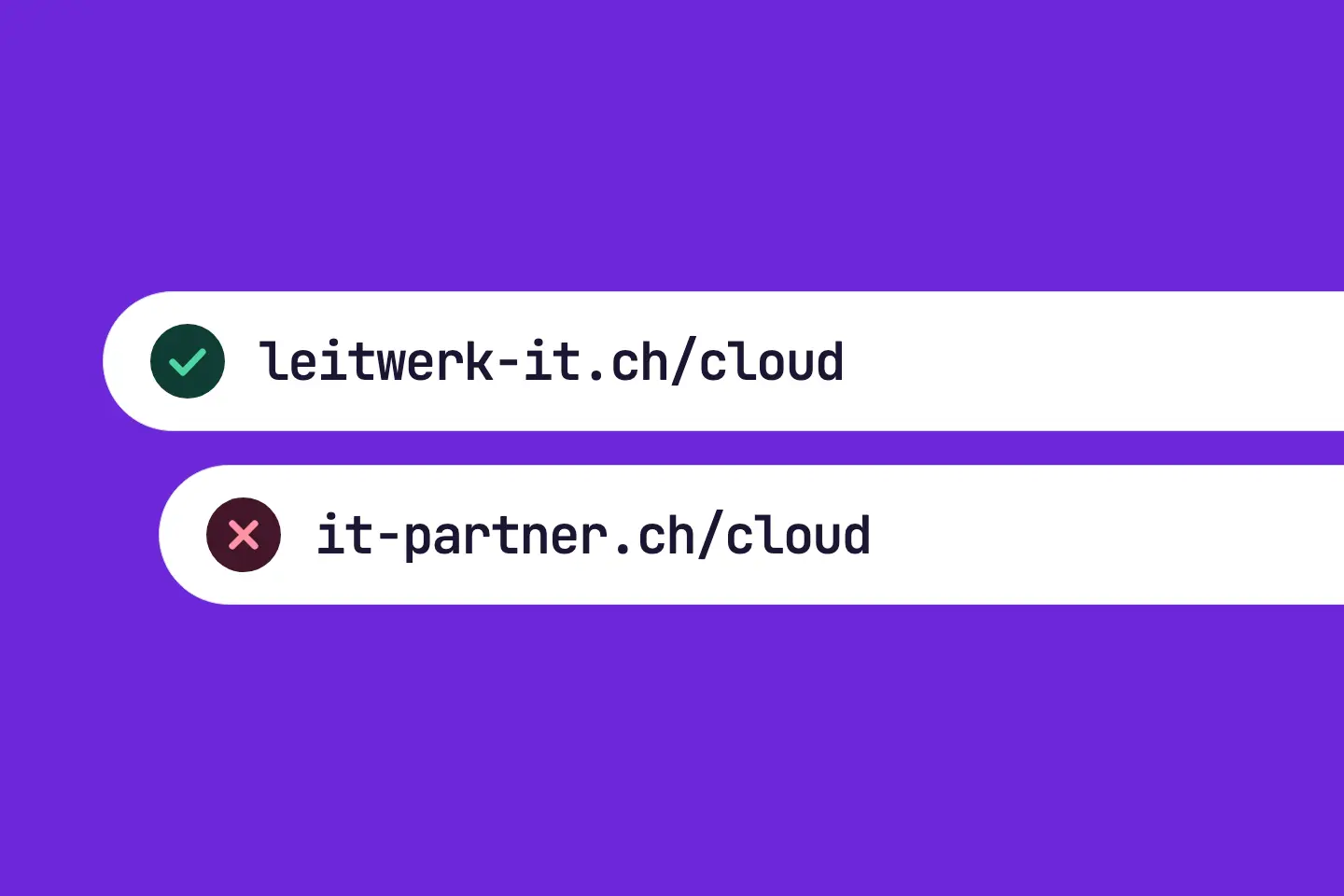
The title of the measure names the goal, for example “Expand /cloud so that AI answers cite it instead of competitor.ch”. If the page of your topic is the home page, the measure names the home page instead of a path.
Procedure #
- Open the competitor page. Note which questions about the topic it answers.
- Check which of these questions your page does not answer yet.
- Answer them with your own offers, figures and examples. Do not copy text from the competitor.
- Mark the measure as done. RankScan keeps counting how often AI answers cite your page.
If the Topic Has No Page Yet #
Sometimes the topic has no chosen page, and no AI answer cites a page of yours. Then the measure is called, for example, “Give «timber element construction» its own page so that AI answers cite it instead of competitor.ch”. The following applies:
- Open the competitor page. Note which questions about the topic it answers.
- Look for a page on your website that already covers the topic. A second page on the same subject competes with the first.
- If you find one, choose it as the topic page and expand it.
- If you find none, create a page for the topic.
- Answer the questions there with your own offers, figures and examples. Do not copy text from the competitor.
- Mark the measure as done.
The article on the page for a topic explains how you choose and build a page for a topic.
Do Not Copy Text #
The steps forbid copying text from the competitor. Google names copying and republishing third-party content with slight changes and without added value of your own as an example of spam.
Source: Google Search Central, Spam Policies for Google Web Search
So take the questions, not the answers. Your answers are based on your offer, your projects and your figures.
How RankScan Checks It #
Once you have answered the questions, mark the measure as done. RankScan checks it with the next new AI data. If your page is cited at least as often as the competitor page, RankScan reports “Fixed”. Otherwise the measure stays reported. Even without your report, RankScan reports “Fixed” once your page is cited as often.
If no answer cites the competitor page for 30 days, RankScan closes the measure as “Replaced”. The same applies if the domain is no longer a competitor.
Common Mistakes #
Mistake 1: Asking the Competitor for a Mention #
A competitor hardly ever names the competition voluntarily. Expand your own page.
Mistake 2: Copying Text from the Competitor #
Copied text gives you no value of your own. Answer the questions with your own details.
Mistake 3: Creating a Second Page on the Same Subject #
If the topic has no chosen page, search your website first. A second page on the same subject competes with the first.
Mistake 4: Not Adding a Competitor #
If you do not add a competitor in RankScan, RankScan may treat its domain as a third-party website. Its page may then appear in the list “Relevant sources without your brand”. The path via a mention does not fit there.
Example: A Timber Builder and a Competitor's Guide Page #
The example is invented and shows the process.
Starting Point #
A timber builder has the topic “timber element construction”. RankScan reports “A competitor page is cited instead of yours” for a competitor's guide page.
Solution #
- The timber builder reads the guide page and notes four questions, for example on construction time and energy standard.
- Their service page does not answer two of them.
- They add two sections with their own projects and figures.
- They mark the measure as done.
RankScan then keeps counting the citations. Whether the AI assistants cite the timber builder's page more often is up to these systems.
Checklist: A Competitor Page Is Cited Instead of Yours #
The first item is RankScan's measurement. The rest are a general checklist.
- Is your page cited at least as often as the competitor page?
- Are all competitors added in RankScan?
- Have you noted the questions of the cited page?
- Does your page answer these questions with your own offers, figures and examples?
- Before creating a new page, have you looked for an existing page on the topic?
- Have you marked the measure as done?
In addition, the pillar page for every topic, AI monitoring and share of voice and Generative Engine Optimization help you make your brand visible in AI answers.
FAQ About AI Citations of Competitor Pages #
What is an AI citation?
An AI citation is a source that an AI assistant names in its answer, usually as a link.
How does RankScan know which pages are cited?
RankScan asks the AI assistants the prompts of your topics and records the sources their answers cite. From three answers of a topic, a competitor page can trigger the measure.
Why should I not contact competitors?
A competitor hardly ever names the competition voluntarily. That is why the measure requires no contact. You expand your own page.
May I copy content from the competitor page?
No. Take the questions, not the text. Answer the questions with your own offers, figures and examples.
When is “A competitor page is cited instead of yours” fixed?
RankScan reports “Fixed” once your page is cited at least as often as the competitor page.
What about third-party pages that do not name my brand?
There is a separate measure for that: “Relevant sources without your brand”. For each topic, it lists the third-party pages that AI assistants use and that do not name your brand.
Conclusion: Take the Questions, Not the Text #
AI answers cite pages that answer a question completely. If they cite a competitor's page, it shows you which questions count for your topic.
The process:
- read the competitor page and note its questions,
- check which questions your page does not answer yet,
- answer these questions with your own offers, figures and examples,
- without a chosen page, look for an existing page first,
- mark the measure as done.